Lesson Plans saintemmeliaministries Lesson Plans saintemmeliaministries

Corinthians Lesson Plan: Geographical Context

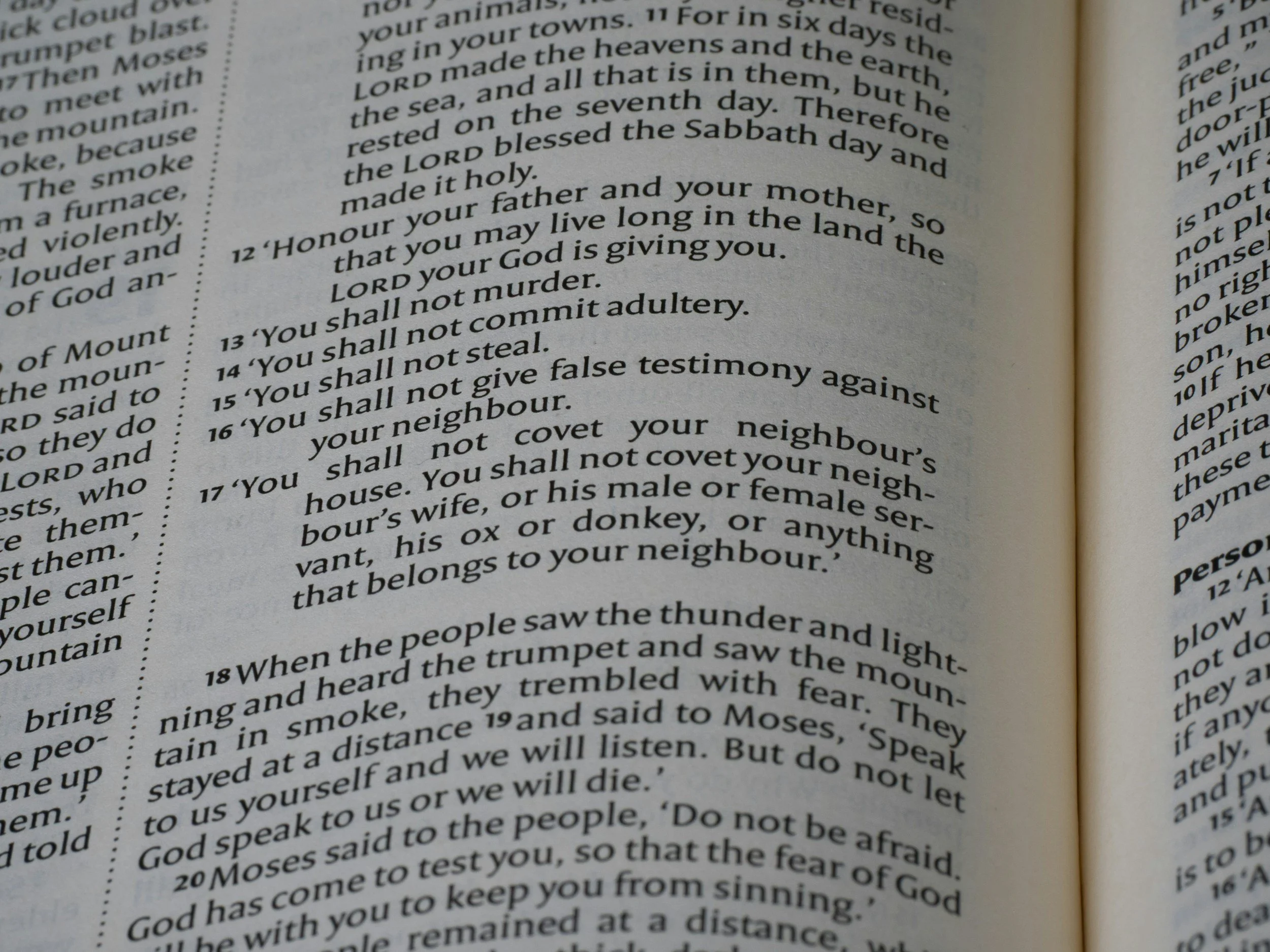
As we begin this journey through Apostle Paul’s letter to the Corinthians, we are going to look at the context of these letters. This month, we’ll be focusing on St. Paul’s ministry and life, and how God’s plan led to Paul ministering to and teaching the Corinthians. 
by Mindi Popovich-Schneider

As we begin this journey through Apostle Paul’s letter to the Corinthians, we are going to look at the context of these letters. This month, we’ll be focusing on St. Paul’s ministry and life, and how God’s plan led to Paul ministering to and teaching the Corinthians. 

Materials:

Map of the Ancient World

Modern map of the Middle East

Maps of Paul’s journeys for reference: https://www.ccel.org/bible/phillips/CN092MAPS1.htm 

Push pins and/or colored pencils

Activity:

For context, read the following verses. Note down each city or region mentioned. You might also want to locate each place on the maps.

  • Acts 7:55-60 - The Martyrdom of St. Stephen (Circa 33-36 AD)

    • This is the very first mention of Saul (Apostle Paul) in the Bible.

  • Acts 8:1-3 - Saul terrorizes the Church (Shortly after St. Stephen’s martyrdom)

  • Acts 9:1-31 - Saul Goes to Capture Christians (Shortly after St. Stephen’s martyrdom)

  • Acts 11:25-26 - First Called Disciples

  • Acts 13:4 - The First Missionary Journey, with Barnabas (46-48 AD)

    •  Note: we know this dating because of a famine in Judea

  • Acts 15:36-18:23a - The Second Missionary Journey, with Silas (49-53 AD)

  • Acts 18:23b-20:3a - The Third Missionary Journey (53-58 AD)

    • Locate each place mentioned on both maps to compare:

      • Syrian Antioch (exists today as a city of ruins)

      • Galatia (central Anatolia today)

      • Phrygia (Anatolia today)

      • Ephesus (exists as ruins today) - Paul spent three years here, during which time he wrote his first letter to the Corinthians, AD 56-57

      • Macedonia - Paul wrote his second letter to the Corinthians, AD 57

      • Corinth

      • Philippi

      • Troas

      • Assos

      • Mitylene

      • Chios

      • Samos

      • Miletus

      • Cos

      • Rhodes

      • Patara

      • Cyprus

      • Tyre

      • Ptolemais

      • Caesarea

      • Jerusalem

  • Acts 27:12 - 28:31 - Paul’s Fourth Journey, while under arrest (AD 58-61)

Questions for discussion:

  • Why might it be helpful to look at these maps and consider the breadth of Apostle Paul’s travels across all four journeys? 

    • Let students ponder this and come to their own conclusions, but you may want to guide them towards thinking about how Apostle Paul was responsible for many, many different churches/congregations. 

  • What are some significant aspects of the story about Bar-Jesus? 

    • Consider Paul, who was blinded by God, in turn blinded this man to open his spiritual eyes.

Activities for younger siblings:

  • Read:

    • The Twelve Apostles from Potamitis Press

    • Paul Writes a Letter by Chris Raschka

      • NB: This book is an adorable little book; however, it is written for a more secular audience. That means that St. Paul’s teachings on, for example, kindness lack grounding in Christ’s love for His creation.

  • On a map, find Jerusalem, Antioch, Ephesus, Macedonia, and Corinth

Sources and Maps:

From WikiCommons: https://commons.wikimedia.org/wiki/File:Mediterranean_Basin_and_Near_East_before_1000_AD_locator_map.svg 

From Geology.com: https://geology.com/world/middle-east.shtml 

Read More
Lesson Plans saintemmeliaministries Lesson Plans saintemmeliaministries

Exodus Lesson Plan: Ten Plagues, Ten Commandments

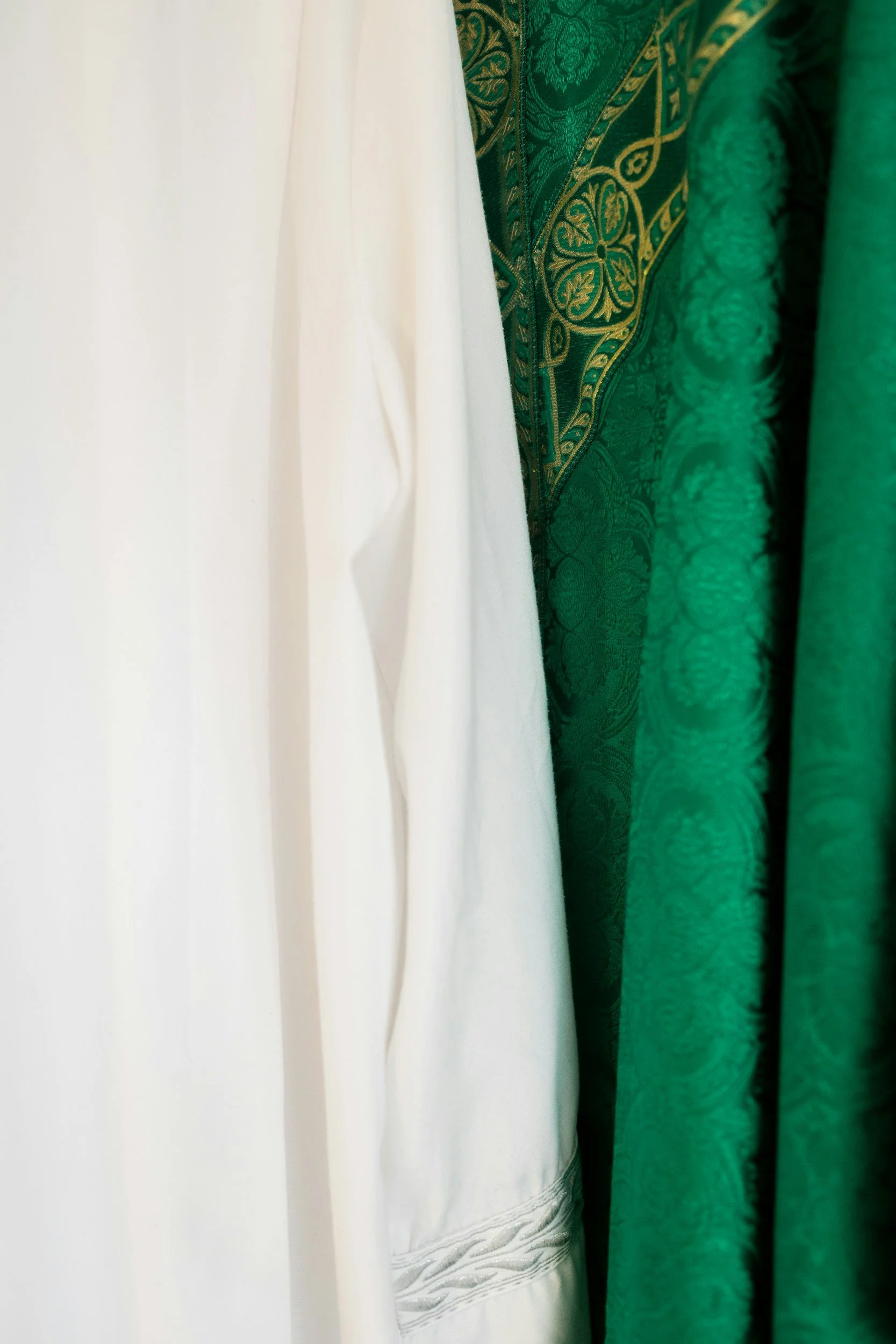
This month, we are going to look at the ten plagues of Egypt and what they, in their rich symbolism, reveal about God. We will also connect them to the Ten Commandments. Help your students make the connections themselves, giving them just as much information as they need to do so. Begin by reading Exodus 7-11 and Exodus 20:2-17. Then, print off the table on the next page and fold it in half to refer back to throughout the lesson.
by Mindi Popovich-Schneider

This month, we are going to look at the ten plagues of Egypt and what they, in their rich symbolism, reveal about God. We will also connect them to the Ten Commandments. Help your students make the connections themselves, giving them just as much information as they need to do so. Begin by reading Exodus 7-11 and Exodus 20:2-17. Then, print off the table on the next page and fold it in half to refer back to throughout the lesson. Open the discussion by asking these questions:

What aspects of the story are repeated with each plague? Why do you think that is?

Go back and look at verses 7:5, 8:10, 8:22, 9:14, 9:29, 10:2, and 11:7. How do the different plagues show us “who God is”?

The first plague: Blood in the Nile / The First Commandment

The ancient Egyptians greatly revered the Nile River, viewing it as the source of life-giving waters. It was closely associated with the god Hapi, the personification of the annual flooding of the Nile. This event was important to the Egyptians, as it created fertile soil in an otherwise dry and arid land. So why would God, the true Living Water, turn these waters into blood–a symbol of death?

Next, consider the first commandment: Thou shalt have no other gods before me. How is this related to God overcoming the Nile River–what the Egyptians perceived as the source of all life?

The second plague: The Frogs/The Second Commandment

It’s interesting to note that Hapi, in many depictions, was attended by frogs. At the same time, the frog-headed fertility goddess Heqet was also greatly revered: in Egyptian thought, she was not the source of life, like the Nile, but she supervised the last moments of birth–the child’s entrance into the world. She comes from the source of life–an image of it.

The frogs covered the earth, infesting the Egyptians’ beds, pantries, and feeding troughs. It took three days for the frogs to die off, but the land stank of frogs for a long time. As St. Gregory of Nyssa says, “Their breeding in these numbers was not natural, but Moses' command changed the normal density of frogs.” God took a creature, an image of fertility, and made its own fertility the enemy of the Egyptians that worshiped it.

Consider the second commandment: Thou shalt not make unto thee any graven images. How does this commandment overturn the second plague?

The third plague: The Gnats (Lice)/The Third Commandment

Exodus 8:17 says that when Aaron stuck the earth with his staff, “All the dust throughout the land of Egypt became lice.” Imagine how many lice that must have been! There is no known Egyptian god of gnats specifically, but there is a god of earth (or dust): Geb. This god is also closely associated with Hapi–in fact, one of Hapi’s titles, or epithets, is “friend of Geb.” Like Hapi and Heqet, Geb is associated with fertility, as the earth brings forth fruit.

Thus, as the True God made man from dust, Aaron–through the power of the True God–makes destruction from the Egyptians’ idea of life.

Now, consider the third commandment. Thou shalt not take the name of the Lord Thy God in vain. How does this relate to lice? This one’s a little trickier: the Hebrew word for lice (“ כּן” or “kên”) is similar to the another word “ כּנה” or “kânâh,” which means “to call by name.” (While many concordances make a connection between the two words, we do not know if there’s an actual etymological connection, but they certainly sound similar!)

The fourth plague: The Flies/The Fourth Commandment

Unlike the other plagues, this one is not as clearly connected to a specific pagan god, but there are many interesting elements to it. God says this: “But on that day I will set apart the land of Goshen, where my people live, so that no swarms of flies shall be there, that you may know that I the LORD am in this land. Thus I will make a distinction between my people and your people.”

The fourth commandment is: “Remember the Sabbath day to keep it holy.” This day, the Sabbath, is distinguished or set apart from the other days as holy–just as God has set apart his holy people from the Egyptians.

The fifth plague: The Pestilence of Livestock/The Fifth Commandment

Before the fifth plague, God says, “Let my people go, so that they may worship me. If you refuse to let them go and continue to hold them back, the hand of the LORD will bring a terrible plague on your livestock in the field—on your horses and donkeys and camels and on your cattle and sheep and goats.” Of course, Pharoah refuses.

There are many different gods associated with cows in particular, but one stands out as especially important: the apis bull. This bull (or rather, bulls) was sacred, as its continual ritualistic sacrifice and rebirth was a significant part of worship. Do you see any echo–or perhaps fulfillment–of this in our worship as Orthodox Christians? Where do “sacred” cows appear elsewhere in the book of Exodus?

“Honor thy father and mother that thy days may be long upon the land, the Lord thy God giveth thee,” reads the Fifth Commandment. Livestock would have been considered part of a family’s generational wealth–what was passed down from father to son, or given as part of a young woman’s dowry. The destruction of livestock symbolized the destruction of the family’s estate–an inversion of God’s promise in the Fifth Commandment.

The sixth plague: Boils/The Sixth Commandment

God tells Aaron to "Take handfuls of soot from a furnace and have Moses toss it into the air in the presence of Pharaoh. It will become fine dust over the whole land of Egypt, and festering boils will break out on men and animals throughout the land." We have multiple accounts from Ancient Egypt of sacrifice or punishment by immolation. Once again, with this sixth plague, God is showing the Egyptians the weight of their own actions, following it up by directing his own people to avoid the same sin: “Thou shalt not kill.”

This plague also overturns the power of Isis, the goddess of medicine.

The seventh plague: Hail/The Seventh Commandment

Before sending down the hailstorm, God tells Pharaoh: “Let my people go, so that they may worship me, or this time I will send the full force of my plagues against you and against your officials and your people, so you may know that there is no one like me in all the earth. For by now I could have stretched out my hand and struck you and your people with a plague that would have wiped you off the earth. But I have raised you up for this very purpose, that I might show you my power and that my name might be proclaimed in all the earth.”

The Seventh Commandment is, “Thou shalt not commit adultery.” In God’s warning, we hear the consequences of what happens when He is forsaken for worship of a false god, as when a spouse forsakes their true spouse for a false one. Additionally, we are told that in this plague, “The LORD sent thunder and hail, and lightning flashed down to the ground,” which calls to mind the destruction of Sodom & Gomorrah: “Then the Lord rained down burning sulfur on Sodom and Gomorrah—from the Lord out of the heavens. [...] [Abraham] looked down toward Sodom and Gomorrah, toward all the land of the plain, and he saw dense smoke rising from the land, like smoke from a furnace.” (Genesis 19). Those wicked cities were destroyed for their debauchery.

The eighth plague: Locusts/The Eighth Commandment

Next, God sends locusts that will “cover the face of the ground so that it cannot be seen. They will devour what little you have left after the hail, including every tree that is growing in your fields.” Just as the Egyptians, in enslaving the Israelites, had stolen everything from them, God takes what little is left of the Egyptians’ prosperity. Later, he reminds the Israelites that now that they are free, they must not do what the Egyptians did to them. In the Eighth Commandment, He says, “Thou shalt not steal.”

The ninth plague: Darkness/The Ninth Commandment

Three days of darkness covers the land of Egypt–God showing that it is He, not the Egyptian god Ra, who gives light. (It is, of course, very significant that the darkness lasts for three days!)

The Ninth Commandment tells us: “Thou shalt not bear false witness against thy neighbor.” When we lie–or bear false witness–we are obscuring the Light of truth, bringing about darkness. According to St. Gregory of Nyssa, the Egyptians “lived in unchanging gloom,” but His people are called to “walk in the Light.” (1 John 1:7).

The tenth plague: The Firstborn/The Tenth Commandment

In Ancient Egypt, the Pharaoh himself was worshiped as a deity–the son of Ra made flesh. In taking the firstborn sons of Egypt, God is sending the Egyptians’ cruelty back on themselves, both as punishment for their murder of the firstborn sons of Israel and as punishment for their jealous enslavement of the Hebrews. More than that, He is also showing that He is the only true God: not even Pharaoh can escape God’s hand.

The Tenth Commandment says, ““Thou shalt not covet thy neighbour’s house, thou shalt not covet thy neighbour’s wife, nor his manservant, nor his maidservant, nor his ox, nor his ass, nor any thing that is thy neighbour’s.” The Egyptians were angry that the Israelites had prospered when they came to Egypt. They also feared that the Israelites would become too great, which is why they killed the firstborn sons. God has righted the evil of the Egyptians, now He calls His people to avoid their grave sins.

Further reading:

http://www.newhumanityinstitute.org/pdf-articles/Gregory-of-Nyssa-The-Life-of-Moses.pdf

https://biblethingsinbibleways.wordpress.com/2022/02/27/the-10-plagues-and-the-10-commandments-are-they-connected/ (Note: not an Orthodox source)

Read More
Lesson Plans saintemmeliaministries Lesson Plans saintemmeliaministries

Exodus Lesson Plan: Tabernacle to Church

In our last lesson, we looked at the types that appear in Exodus, and how they prefigure the life of Christ and the Orthodox Church. In this lesson, we will take a closer look at the instructions God gave His people for proper worship and compare them to how we worship the true God today.

by Mindi Popovich-Schneider

In our last lesson, we looked at the types that appear in Exodus, and how they prefigure the life of Christ and the Orthodox Church. In this lesson, we will take a closer look at the instructions God gave His people for proper worship and compare them to how we worship the true God today.

The Sanctuary/Altar:

Exodus chapters 25-27 give instructions for how to build the tabernacle, starting with the innermost part and working outwards. The first section talks about the Ark of the Covenant, then the table, and the lampstand. Read Exodus 25 and 27. 

  • Do we still have these items inside the sanctuary/altar (behind the iconostasis and royal doors)? How are they different now? What is their job in our worship?

  • How is the table different from the altar? 

  • What materials should be used? 

The Tabernacle:

Chapter 26 describes the tabernacle itself. As you read, try to visualize the description. 

  • What images decorate the tabernacle? 

  • What are some of the materials used? 

  • What colors? 

Draw a picture of the tabernacle and compare it to the layout of an Orthodox church. How are they similar and different? Why do you think those differences might have come about? What shape is an Orthodox temple usually in?

Vestments:

In Exodus 28, God gives Moses instructions for the priestly garments for Aaron “for his consecration, so he may serve me as priest.” The vestments are made up of a breastpiece, an ephod (an “apronlike” garment with shoulder straps), a robe, a woven tunic, a turban and a sash. 

Read the chapter and note down the following details:

  • What colors and fabrics should be used?

  • What types and colors of stones should be used in each garment…and how many? (You may want to read and compare Genesis 2:10-12 and Revelations 21:10-15)

  • In what order would a priest put on each garment?

Keeping these details in mind, draw what you think the priestly vestments would look like. Draw a picture of your priest’s vestments. How do the garments compare and contrast? What do you think the purpose of each garment is?

Next, consider the symbolism of the colors, images, and materials used. What does each element remind you of?

Some examples:

Gold: God’s grace

Silver: The goodness in humans, made in the image of God

Bronze: Fallen human nature, refined by God

Blue: Human nature (what the Theotokos contributed to Christ’s incarnation)

Purple: Royalty

Red: Blood of sacrifice/martyrdom

Note: in the Protoevangelium, we learn that the Theotokos was weaving with purple and red, but not blue. Why do you think that might be? 

Read the links below for more descriptions of the symbolism of the design of the tabernacle. Then, consider how we have built on or retained these symbols in our beautiful churches!

Further Reading:

https://orthodoxchristiantheology.com/2023/07/20/a-typological-commentary-on-exodus-chapter-25/

https://orthodoxchristiantheology.com/2023/08/14/a-typological-commentary-on-exodus-chapter-26/ 

https://orthodoxchristiantheology.com/2023/08/20/a-typological-commentary-on-exodus-chapter-27/

https://orthodoxchristiantheology.com/2023/09/06/a-typological-commentary-on-exodus-chapter-28/

Read More
Lesson Plans saintemmeliaministries Lesson Plans saintemmeliaministries

Exodus Lesson Plan: Types

When taking up any study of the Bible, it is good to consider the types of God’s plan for our salvation that we see throughout the Old Testament. Typology, the “study of types,” is defined as: “an approach to the interpretation of the Scriptures found in the New Testament itself, and in the writings of the Church Fathers, which sees certain people and events in the Old Testament (Types) as foreshadowing things fulfilled in the New Testament (Antitypes).” You might think of types as a non-verbal, material kind of prophecy! 

by Mindi Popovich-Schneider

When taking up any study of the Bible, it is good to consider the types of God’s plan for our salvation that we see throughout the Old Testament. Typology, the “study of types,” is defined as: “an approach to the interpretation of the Scriptures found in the New Testament itself, and in the writings of the Church Fathers, which sees certain people and events in the Old Testament (Types) as foreshadowing things fulfilled in the New Testament (Antitypes).” You might think of types as a non-verbal, material kind of prophecy! 

Many types of Christ, the Theotokos, and the Church appear throughout the Book of Exodus. In this lesson, we will explore some of them. 

Begin by first reading, then paraphrasing the definition to your students. Offer a few examples from other books of the Old Testament: Jacob’s ladder (Genesis 28:10-12) as a type of the Theotokos, who was the ladder on which Christ descended to earth; the Rod of Aaron (Numbers 17:1-11) as a type of the Holy Cross, which budded with eternal life; etc. Next, make a list of as many types you can think of–specifically ones that appear in the story of Exodus. Finally, read through the following verses and have students identify the types and antitypes in them. For younger children, print off the attached cards and have them choose the one that matches the verses you are reading.

  • 2 – Moses, like Christ, left his position as royalty and became a shepherd 

  • 3:1-11 – The Theotokos held Christ in her womb, yet was not burned

  • 16:4 – God fed the Hebrews in the desert with manna; Christ is the bread of life (John 6:31-35)

  • 17:6 – Christ is the living water (John 4:10)

  • 25:10-22 – In the Gospels, the angel Gabriel announces to the Theotokos: “The Holy Spirit will come over you and the power of the Most High will overshadow you” (Luke 1:35). In the same way, the Glory of God sits on the Mercy Seat of the Ark of the Covenant.

  • 25:31-40 – The Theotokos held within herself the Light of the world (John 1:4-5)

  • 27 – These descriptions of the construction of the temple are a type of the Christian life 

  • 28 – This chapter details how the priestly garments should be constructed. Christ is the true high priest (Hebrews 4:14), who “clothes Himself in light as in a garment” (Psalm 103:2) and “is clothed in majesty” (Psalm 92:1)

These are just a few examples…how many more can you come up with!? You might also consider where in our liturgy these types are highlighted.

Check out the next section for more information about these and other “types”! 

Further reading:

Bible Central. “Moses as a Type & Shadow of Christ.” https://biblecentral.info/library/chapter/moses-type-and-shadow-of-jesus-christ/ 

Orthodox Christian Theology. “Commentary on Exodus.” https://orthodoxchristiantheology.com/category/commentary-on-exodus/

Orthodox Wiki. “Types.” https://orthodoxwiki.org/Typology 

Read More
Lesson Plans saintemmeliaministries Lesson Plans saintemmeliaministries

Exodus Lesson Plan: Geography

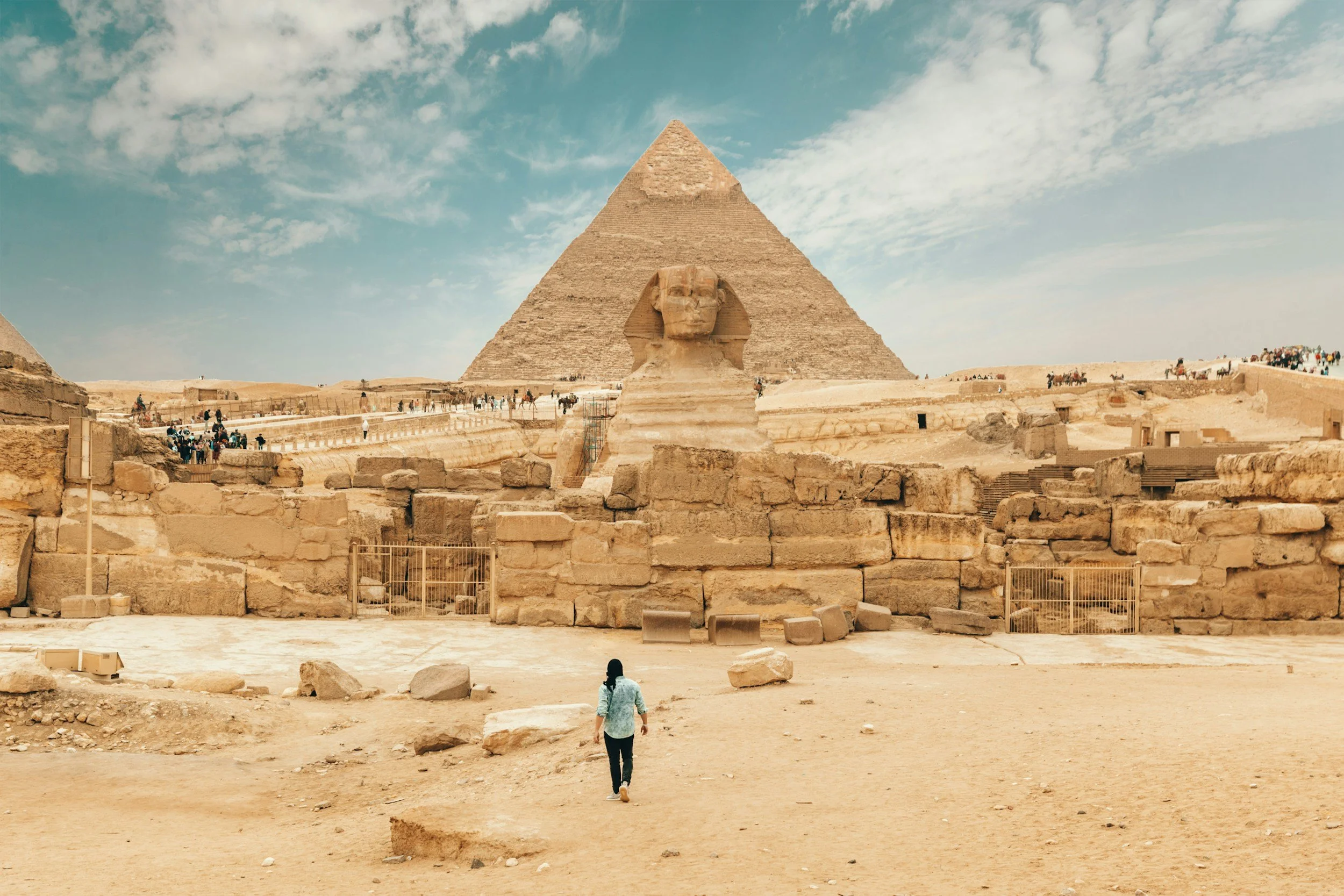
Goshen, Migdol, Midian, Moab…these names may be familiar to you, but could you find them on a map? This month, as we study the Book of Exodus and its context, we’ll be looking at geography–specifically the Israelites’ route through their desert wanderings.
by Mindi Popovich-Schneider

Goshen, Migdol, Midian, Moab…these names may be familiar to you, but could you find them on a map? This month, as we study the Book of Exodus and its context, we’ll be looking at geography–specifically the Israelites’ route through their desert wanderings.

  • Read the following verses and make a list of all the places named.

    • Exodus 13:18-20

    • Exodus 14:2-3

    • Exodus 17:1

    • Exodus 19:1-2

    • Numbers 33:15-35

  • Next, look up the locations of those places using an encyclopedia, if possible. If you do not have an encyclopedia available or cannot find the places mentioned,  this map from OpenBible might be helpful. 

  • Print off the blank map on the next page and map out each location mentioned in the verses. You might find it helpful to number them as you go. Once you’ve mapped them all out, draw arrows showing their route.

  • Once you’ve labeled all the places mentioned, try to calculate how many miles they traveled! Keep in mind that the Nile Delta is about 100 miles long.

    •  After you’ve printed the map, use a ruler to find how long the Delta is on your paper (for example, 100 miles = 1 inch).

    • Measure the arrows you drew to find the approximate length of their journey. For example, if you found a total of 12 inches (including the times they went back and forth), their journey would be 1,200 miles long!

  • As we journey through Lent, remember the long, tiring journey of the Israelites and run with rejoicing to the promise of our Lord’s  glorious Pascha!

Read More
Lesson Plans saintemmeliaministries Lesson Plans saintemmeliaministries

Exodus Lesson Plan: Poetry

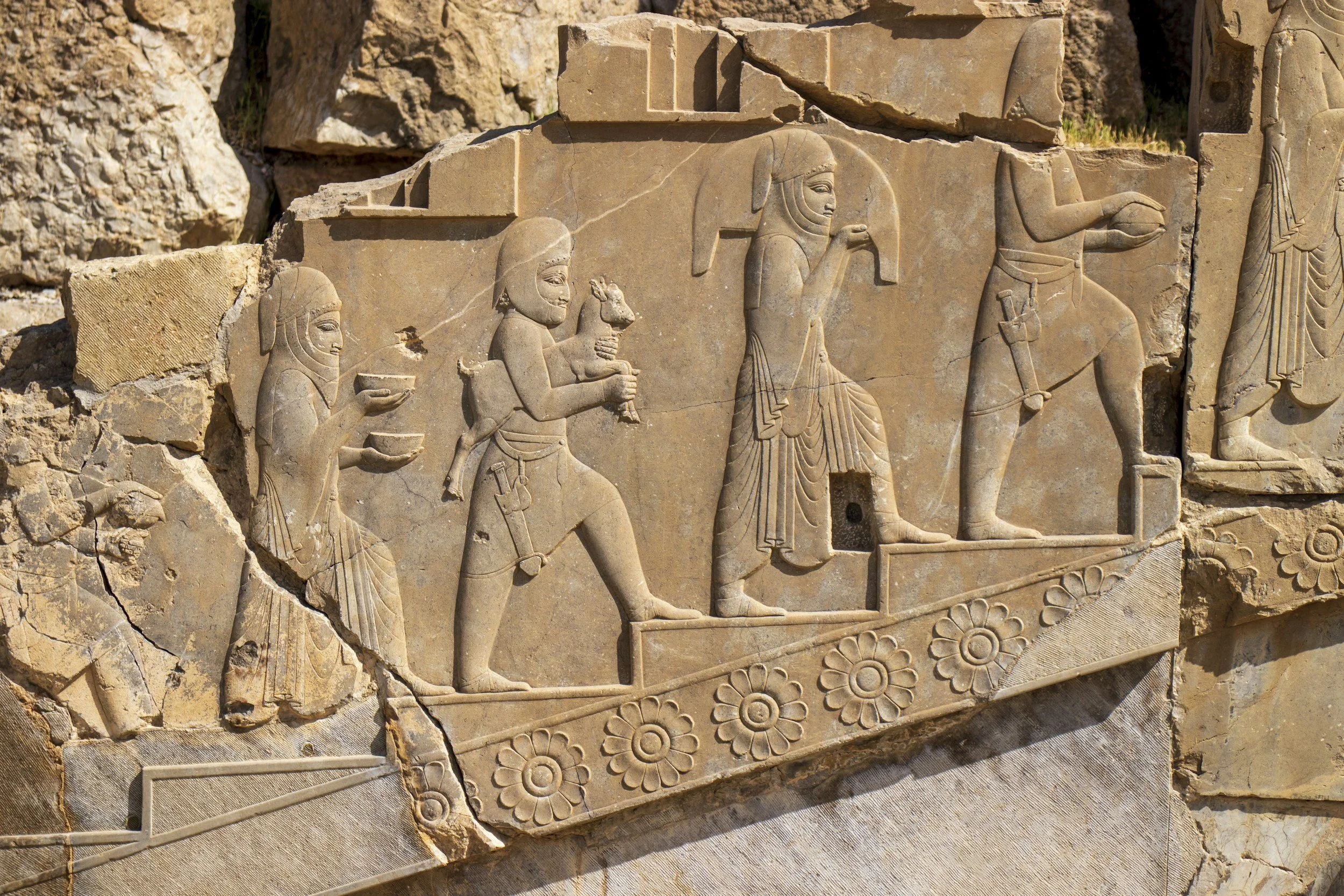
This month we will be looking at the poetry in the book of Exodus. In Chapter 15, both Moses and his sister Miriam sing hymns of praise after God takes them safely across the Red Sea. 
by Mindi Popovich-Schneider

This month we will be looking at the poetry in the book of Exodus. In Chapter 15, both Moses and his sister Miriam sing hymns of praise after God takes them safely across the Red Sea. 

  • Read through Moses’s and Miriam’s hymns. 

    • Make a list of any words you don’t know and look them up in the dictionary. 

    • What do you notice about these songs as you read through them?

    • Do any particular words or phrases stand out to you? 

    • Do you notice any repetition?

    • Do you think they used any musical instruments while singing these songs? How do you think they were able to sing such beautiful songs right on the spot?

  • Where do we find these verses (or “echoes” of them) in the rest of the Bible? For example:

    • Psalm 77:13-14 echoes Moses’s cry: “Who is so great a God as our God? Thou art the God who workest wonders.” This, of course, became one of our Paschal hymns!

    • Revelations 15:3 states that St. John hears the angels sing “the song of the servant of God Moses and of the Lamb.”

  • Where do we find these verses (or similar ideas) in our Liturgy? Some examples:

    • The whole chapter was once chanted as the first of nine Biblical Odes during Orthros, though St. Andrew of Crete initiated the practice of replacing these with shorter verses. The first verses of our canons still retell this story!

    • We hear Mose’s introductory line echoed in the first ode of the service of Paraklesis: “Traversing the water as on dry land / and thereby escaping from the toils of Egypt land / the Israelites cried aloud, proclaiming, “To our God and Redeemer, let us now sing!”

  • Read “Ozymandias” by Percy Bysshe Shelley (you may even want to memorize it–it’s fun to recite!). Talk through its meaning. How does it relate to the Israelites’ hymns in Chapter 15 of Exodus? (Hint: Ozymandias is the Greek name for Ramses II.)

Ozymandias

Percy Bysshe Shelley 

I met a traveller from an antique land,

Who said—“Two vast and trunkless legs of stone

Stand in the desert. . . . Near them, on the sand,

Half sunk a shattered visage lies, whose frown,

And wrinkled lip, and sneer of cold command,

Tell that its sculptor well those passions read

Which yet survive, stamped on these lifeless things,

The hand that mocked them, and the heart that fed;

And on the pedestal, these words appear:

My name is Ozymandias, King of Kings;

Look on my Works, ye Mighty, and despair!"

Nothing beside remains. Round the decay

Of that colossal Wreck, boundless and bare

The lone and level sands stretch far away.

Read More
Lesson Plans saintemmeliaministries Lesson Plans saintemmeliaministries

Exodus Lesson Plan: Ancient Civilizations

In this lesson, we will be considering what was happening around the rest of the world at the time when the Israelites fled Egypt and wandered through the desert. Of course, exact dates are not known, but we generally think it was sometime in the early 1200s (13th century) B.C. By simply reading the Bible, we can learn some things about some other civilizations that existed at this point in time: the Canaanites, Hittites, Amorites, Perizzites, Hivites, and Jebusites are all mentioned several times in Exodus! 
by Mindi Popovich-Schneider

In this lesson, we will be considering what was happening around the rest of the world at the time when the Israelites fled Egypt and wandered through the desert. Of course, exact dates are not known, but we generally think it was sometime in the early 1200s (13th century) B.C. By simply reading the Bible, we can learn some things about some other civilizations that existed at this point in time: the Canaanites, Hittites, Amorites, Perizzites, Hivites, and Jebusites are all mentioned several times in Exodus! 

The Canaanites:

The Canaanites people are, of course, all descendants of Canaan, the grandson of Noah. Many of the other tribes mentioned (such as the Hittites) are the descendants of Canaan’s different children. They inhabited a region that roughly corresponds to modern-day Israel, Palestine, Lebanon, and parts of Jordan and Syria. 

The Hittites:

In Genesis, when Abraham goes into Canaan,  he meets a people referred to as the “children of Heth.” When Abraham’s wife Sarah died, these people offered a burial place for her, suggesting that they were on friendly terms with Abraham. Later, when Jacob was dying in Egypt, he instructed his sons to take him back to this burial place. 

By the time of the Israelite desert wanderings, the Hittites were dwelling in the mountains, according to Moses’s spies. These mountains were probably the Taurus Mountains, which lie to the north of the Indus River Valley, in what is now known as Turkey. But back then, these mountains were a great barrier, making the Hittite people not well known to the other civilizations around them. Even so, the Hittites had an important place in history: they were the first civilization to distribute iron to the ancient world! 

The Amorites:

You might recognize this name from the Polyeleos (“many praises”) that we sing during Orthros: “Seon, king of the Amorites…” is mentioned in Psalm 135. This kingdom was mighty, even occupying Babylon at one point in history. 

The Perizzites:

Throughout the Old Testament, the Perizzites are consistently mentioned in the context of the Canaanites (that is, “The Canaanites and Perizzites”). It’s possible that the name is referring to “villagers,” and therefore isn’t a distinct people.

The Hivites:

In Joshua, the Hivites are described as being "under Hermon in the land of Mizpeh,” while 2 Samuel mentions them along with the “stronghold of Tyre.” Like the other civilizations mentioned here, the Hivites are listed in Genesis 10 as the descendants of Canaan, himself the son of Ham and grandson of Noah. 

The Jebusites:

We do not know much about the Jebusites. Interestingly, when the tribes of Canaan are listed out in the Old Testament, the Jebusites always come last, perhaps indicating their comparatively small size! Like the Hittites, they were a mountain tribe. Their capital was called Jebus, and was later conquered by the tribe of Judah (in the book of Judges) and held until the time of David. That city became known as Jerusalem.

Activity:

Compare a present-day map and a map of the Ancient World (specifically the Fertile Crescent). On the modern day map, try to identify:

  • The Land of Canaan

  • The Jordan River

  • Taurus Mountains

  • Jebus

Sources:

Mills, Dorothy. The Book of the Ancient World, 2nd Edition. Memoria Press.

International Standard Bible Encyclopedia. Accessed online. https://www.internationalstandardbible.com/  

Physical map of the Middle East: https://gisgeography.com/middle-east-map/

Map of the Fertile Crescent: https://www.worldhistory.org/image/13559/fertile-crescent-map/ 

Read More
Lesson Plans saintemmeliaministries Lesson Plans saintemmeliaministries

Exodus Lesson Plan: Art Study

The Antiochian Archdiocese theme for 2025-2026 youth activities is The Book of Exodus. We’ve developed a series of lesson plans that explores that theme through a different discipline. In this lesson, we will be looking at various visual depictions of Moses, both in the setting of a sacred space and outside of the church building.

by Kristin Edwards

The Antiochian Archdiocese theme for 2025-2026 youth activities is The Book of Exodus. We’ve developed a series of lesson plans that explores that theme through a different discipline.

In this lesson, we will be looking at various visual depictions of Moses, both in the setting of a sacred space and outside of the church building. We will begin with one of the earliest extant images and move forward chronologically. Watch as the images change visually and in purpose. This lesson is inspired by the Charlotte Mason picture study method. These images should be sufficient for a month or more, using one at a time that can be repeatedly referred to over the course of several days to several weeks. For each image, use the following steps:

  1. Print off a high quality reproduction. 

  2. Give to the student to silently examine for at least two minutes. (Ask the children to be as detailed as possible in their observations. Try to memorize the image, so you’re able to see it in your mind’s eye). 

  3. Turn over the reproduction and ask your child to make as many observations as possible without looking at the image. With multiple children, children can take turns making one observation at a time. Adults should participate, too!

  4. Each image has a short informative paragraph (below) that you may want to share with your child as part of your observation discussion. Make sure to ask about what the image might remind your children of. Ask about any connections that they can make to something else they have studied, read, heard, or seen. How does it connect to the biblical story depicted? What details are included and/or excluded? What might be the reasons?

  5. Hang the reproduction up in a visible spot to look at repeatedly for the remainder of the month or quarter or semester. You might notice something new every time you look at it!

Image 1: Moses found in the Nile River. From the Dura Europos synagogue. (ca. 244-255), now reinstalled in Damascus Museum

This fresco is part of a series, which covers the interior walls of the Dura Europos Synagogue. The city of Dura Europos (modern-day Syria) was hidden and well-preserved for almost two thousand years under a blanket of sand. Beautiful images cover the walls and make up an entire narrative of the life of Moses. On the lower register at the eye-level of a child, additional frescoes delight the viewer. Dura Europos also was home to an early Christian “house church” baptistry whose walls were covered in images. (These are also worth checking out!) The discovery of this buried city in the 1920s was paramount to the study of sacred images and their use in worship. The narrative scenes demonstrate that visual decoration in sacred spaces was used much earlier than scholars (and iconoclasts) had originally thought. People were to gaze at the images during prayer, as well as learn and memorize the narrative. Notice how the image of Moses shows the movement of Moses from the basket in the water to the bank. There is also a striking resemblance between the traditional imagery of Aphrodite and the form of the Egyptian princess, making a clear statement about the (sacred) nature of these images. The curtains above divided scenes, but also were symbolically significant in the ancient world as delineators of sacred space.  

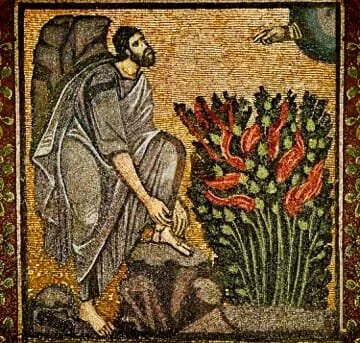
Image 2: Moses and the Burning Bush. St. Catherine’s Monastery Mosaic. (6th Century), Mt. Siani, Egypt.

This mosaic of Moses removing his sandals at the burning bush is found at St. Catherine’s Monastery. It is above the eastern apse of the monastery’s Great Basilica. Moses and the burning bush is a prominent theme of the monastery’s visual program for obvious reasons – the monastery is located on the holy ground at the base of Mt. Sinai itself. This image is also an early one, meant to be a part of liturgical life. Like many of the other icons and mosaics at the monastery, the Muslim occupation of the region during iconoclasm preserved it from destruction. Its survival left an example of early Christian iconography for later generations. Notice the thousands of tesserae of many colors that were used to create the image. The folds of Moses’s garments are magnificently executed. The tongues of fire in the burning bush are, indeed, strikingly similar to tongues of fire that we see in images of Pentecost. Why? What are you reminded of when you see this image? How is this similar to the sacred images / icons in our own churches?

Image 3:  Moses Parting the Red Sea. Illumination in the Paris Psalter.  (ca. 950-970), in the Bibliothèque Nationale de France, Paris.

Versus a large-scale church decoration, this image is part of an illuminated manuscript called the Paris Psalter. It takes sacred images outside the church building and puts them in private hands. This psalter was made during the Macedonian Renaissance after iconoclasm had ended and is considered one of the most lavish examples of Byzantine illumination. The psalter does not have an inscription to indicate the exact circumstances of its commissioning,  giving it an air of mystery.  However, because of some visual clues (like King David depicted in emperor’s clothes in one of the illuminations) and the sumptuous materials used in its making (calf-skin parchment, expensive minerals, and abundant gold leaf), it is widely accepted that it was a psalter commissioned by a Byzantine emperor. There are 14 miniatures in the psalter, two of which are images of Moses illustrating the Old Testament Canticles. Instead of the decorations being for “public consumption” as in the previous two images, these were for the private devotions of the reader. Still sacred in nature, the illuminated manuscript decoration brought images to a more personal level, albeit in this case for imperial private use.  In image 3, the pillar of fire stands on the right side as Moses leads the Israelites out from personifications of night and the desert. In the bottom register, there is a personification of the deep, who pulls Pharaoh down into the water. If you and your children enjoy this image, look up the other miniature of Moses receiving the tablets of the law! In fact, all 14 miniatures are fabulous.

Image 4: Giotto di Bondone. Moses Brings Forth Water out of a Rock.  (ca. 1304-1306) Fresco embedded in a decorative band as part of a large scale church decoration, Scrovegni Chapel, Italy.

This small border fresco was painted by Giotto in the 14th century as part of a large-scale decoration cycle. It is nestled inside a border image that delineates much larger frescoes with the story of Christ’s life. The chapel decoration overall is a particularly striking example of Giotto’s revolutionary style that was a (oftentimes shocking) departure from Byzantine painting tradition. You can look at the other images from the chapel with your child if desired. Here Moses brings water from a rock, a sacred act. However, notice the more realistic expression and the softer lines that Giotto was known for. Moses is given a more “lifelike” appearance, drawing attention to his humanity. He has soft hair and wrinkles and an emotional expression on his face. And yet, the mountain still has something of an unrealistic appearance, reminding the viewer of otherworldliness or sacred space. Though inside a sacred space again, the image is less a window to the divine and more an artistic expression of the humanity of his subject. Giotto’s style and methods of painting only become more and more popular in the Renaissance, Catholic West in following years. Though not for prayer in the Orthodox sense, its beauty is still reflective of God’s beauty in the world, possibly bringing some nuance to an understanding of what it is to be human.

Image 5: Rembrandt van Rijn. Moses Smashing the Tablets of the Law (ca. 1659), in the Gemäldegalerie, Berlin.

This Rembrandt painting of Moses’s descent from the mountain is a stark contrast to earlier, sacred images for use during prayer. After the Protestant Reformation, churches did not typically commission artwork, and art moved even more into the sphere of personal use. Most of Rembrant’s paintings were commissioned by individuals. By Rembrandt’s time at the height of the Dutch Baroque period painting’s purpose had shifted from sacred devotional use or use in worship to a focus on an artistic evocation of emotion and feeling. This painting illustrates that fact by its mere size. It is large: five feet tall and four feet wide. Moses is positioned directly in front of the viewer where one can quite intensely feel movement downward. He is angry or in pain, likely about to smash the tablets of the law. Everything is realistically portrayed, including the Hebrew lettering on the tablets of the law. What else can you and your children notice about this painting? What else might Moses be feeling and how might this be represented?

Check back soon for more lesson plans!

Read More