

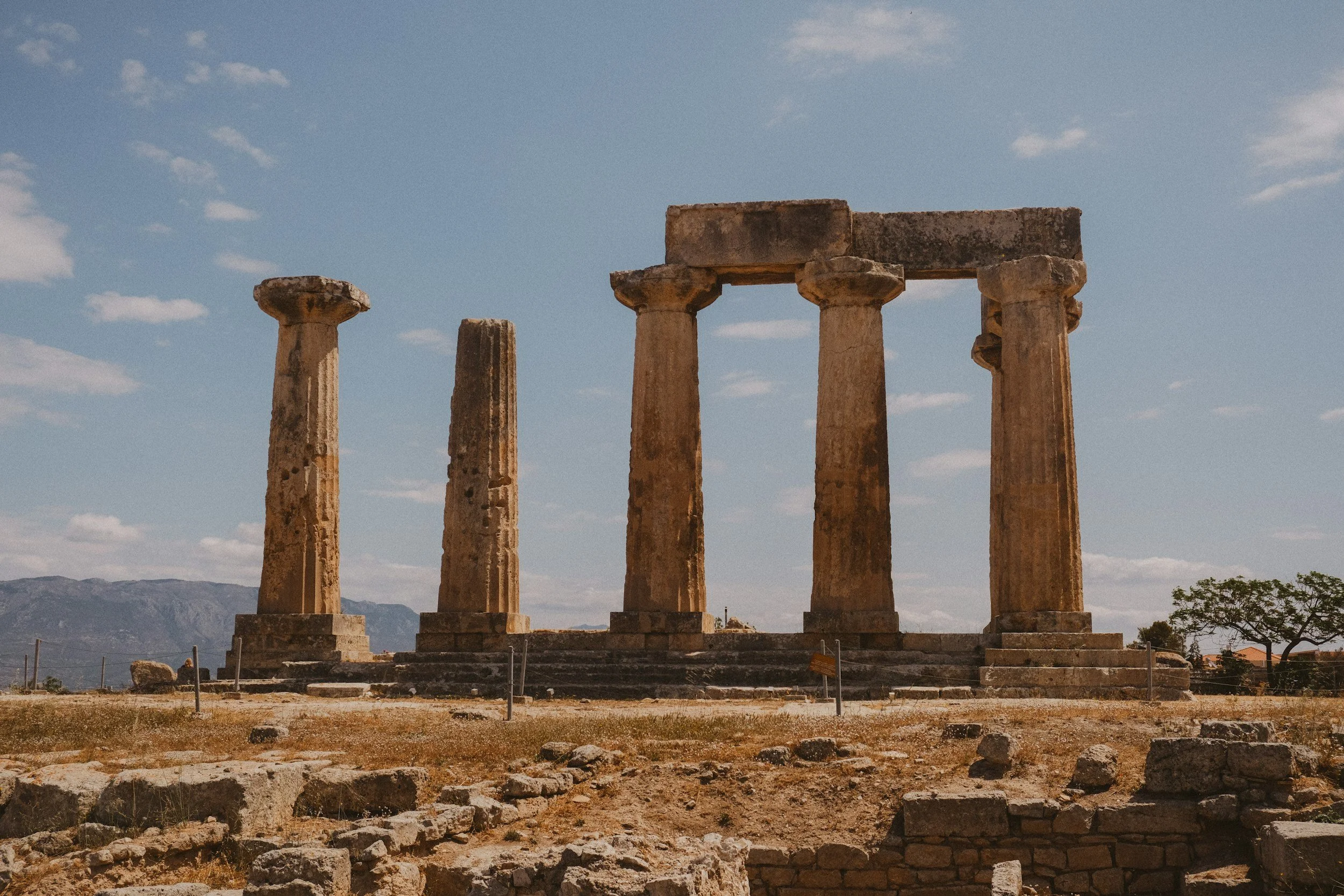
Corinthians Lesson Plan: Corinthians in Context
Last month, we looked at the Ancient World in which Apostle Paul made his journeys and wrote his letters. This month, we’ll be focusing on Corinth, the city, and how its culture and history affected the early Church there.

Corinthians Lesson Plan: Geographical Context
As we begin this journey through Apostle Paul’s letter to the Corinthians, we are going to look at the context of these letters. This month, we’ll be focusing on St. Paul’s ministry and life, and how God’s plan led to Paul ministering to and teaching the Corinthians.
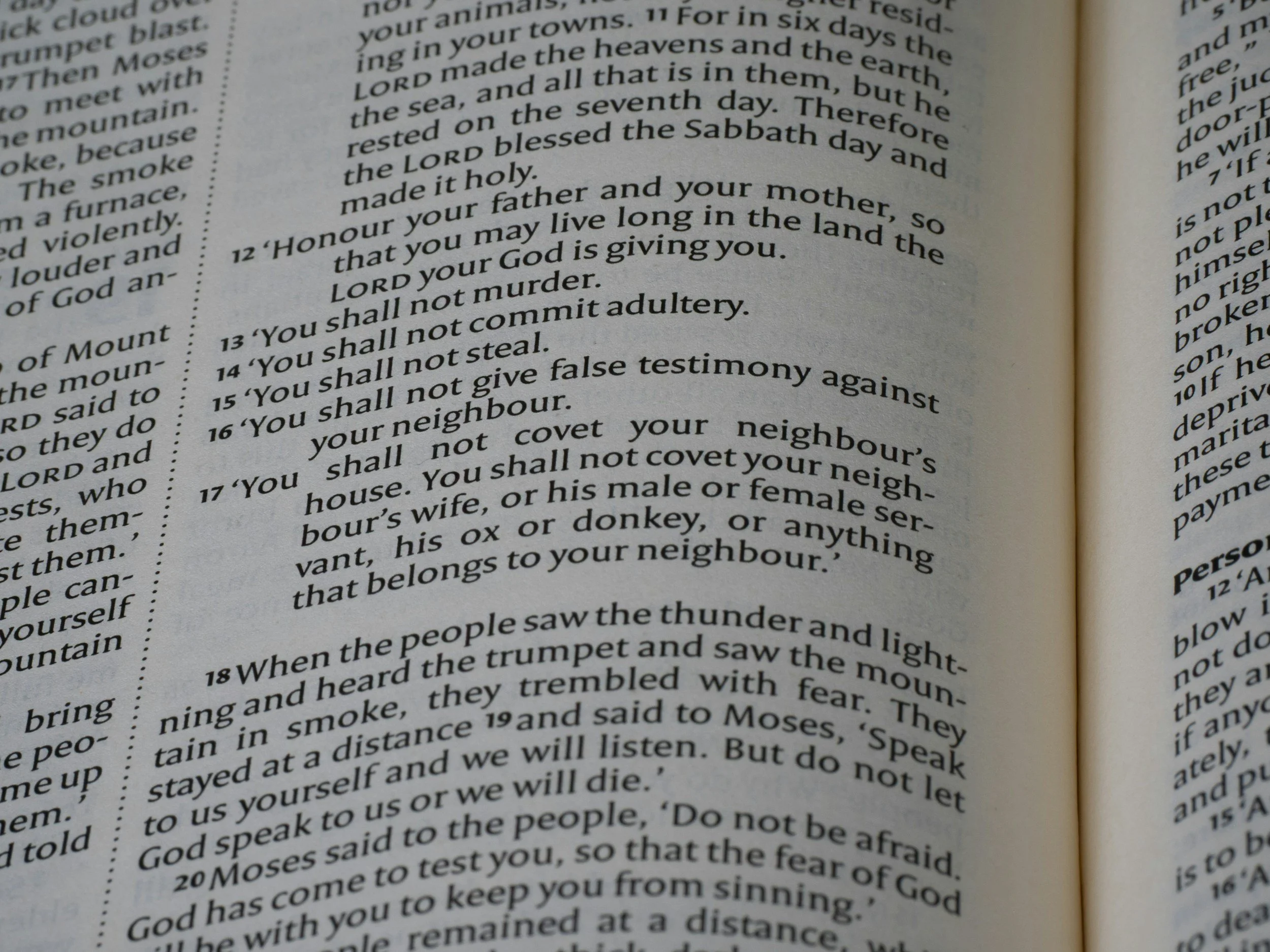
Exodus Lesson Plan: Ten Plagues, Ten Commandments
This month, we are going to look at the ten plagues of Egypt and what they, in their rich symbolism, reveal about God. We will also connect them to the Ten Commandments. Help your students make the connections themselves, giving them just as much information as they need to do so. Begin by reading Exodus 7-11 and Exodus 20:2-17. Then, print off the table on the next page and fold it in half to refer back to throughout the lesson.

Exodus Lesson Plan: Tabernacle to Church
In our last lesson, we looked at the types that appear in Exodus, and how they prefigure the life of Christ and the Orthodox Church. In this lesson, we will take a closer look at the instructions God gave His people for proper worship and compare them to how we worship the true God today.

Exodus Lesson Plan: Types
When taking up any study of the Bible, it is good to consider the types of God’s plan for our salvation that we see throughout the Old Testament. Typology, the “study of types,” is defined as: “an approach to the interpretation of the Scriptures found in the New Testament itself, and in the writings of the Church Fathers, which sees certain people and events in the Old Testament (Types) as foreshadowing things fulfilled in the New Testament (Antitypes).” You might think of types as a non-verbal, material kind of prophecy!

Exodus Lesson Plan: Geography
Goshen, Migdol, Midian, Moab…these names may be familiar to you, but could you find them on a map? This month, as we study the Book of Exodus and its context, we’ll be looking at geography–specifically the Israelites’ route through their desert wanderings.
Exodus Lesson Plan: Poetry
This month we will be looking at the poetry in the book of Exodus. In Chapter 15, both Moses and his sister Miriam sing hymns of praise after God takes them safely across the Red Sea.
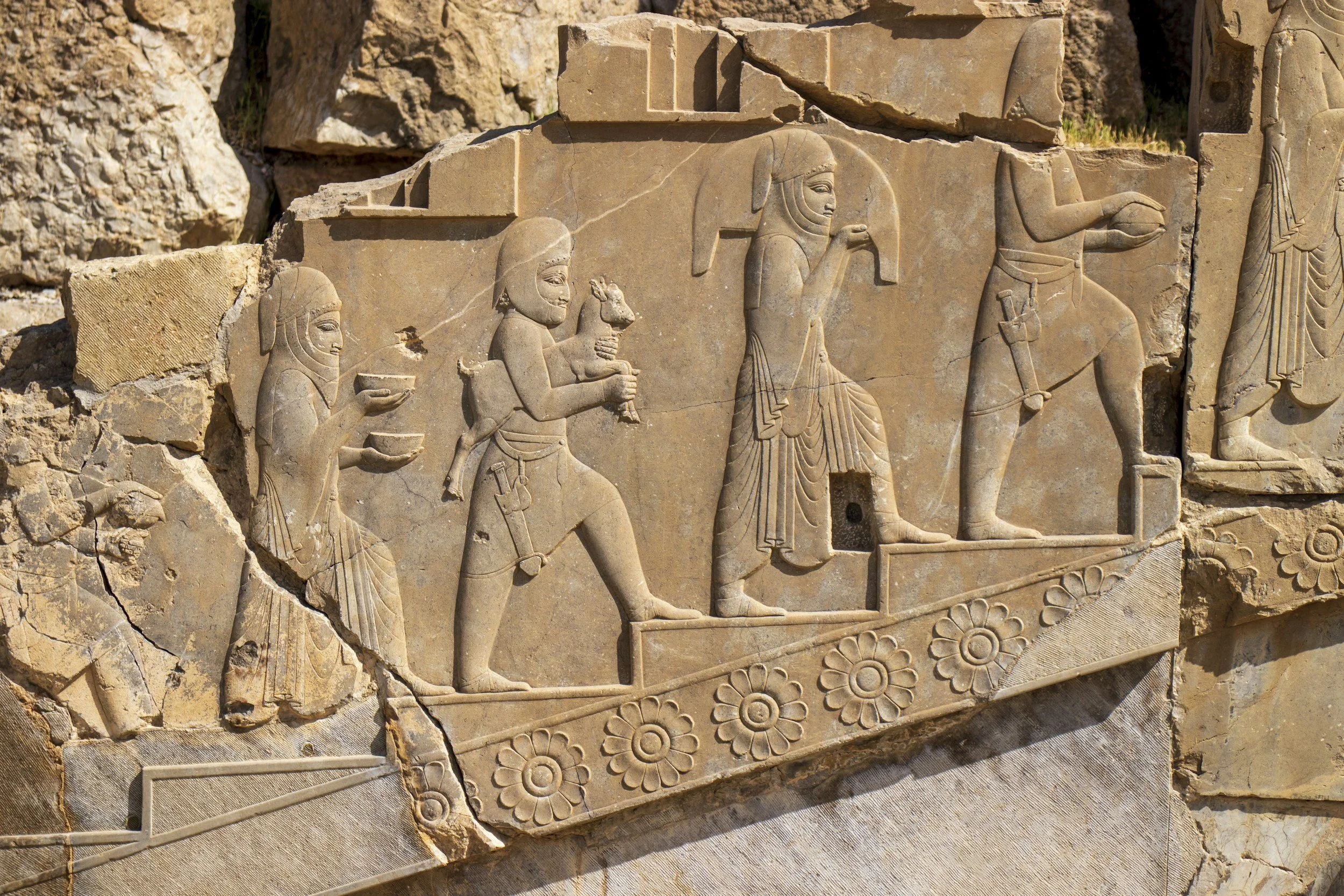
Exodus Lesson Plan: Ancient Civilizations
In this lesson, we will be considering what was happening around the rest of the world at the time when the Israelites fled Egypt and wandered through the desert. Of course, exact dates are not known, but we generally think it was sometime in the early 1200s (13th century) B.C. By simply reading the Bible, we can learn some things about some other civilizations that existed at this point in time: the Canaanites, Hittites, Amorites, Perizzites, Hivites, and Jebusites are all mentioned several times in Exodus!
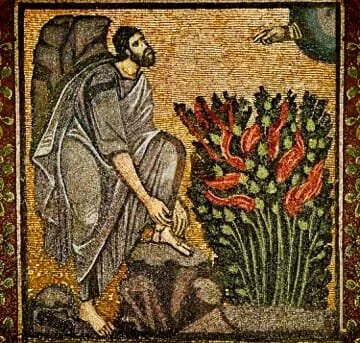
Exodus Lesson Plan: Art Study
The Antiochian Archdiocese theme for 2025-2026 youth activities is The Book of Exodus. We’ve developed a series of lesson plans that explores that theme through a different discipline. In this lesson, we will be looking at various visual depictions of Moses, both in the setting of a sacred space and outside of the church building.